
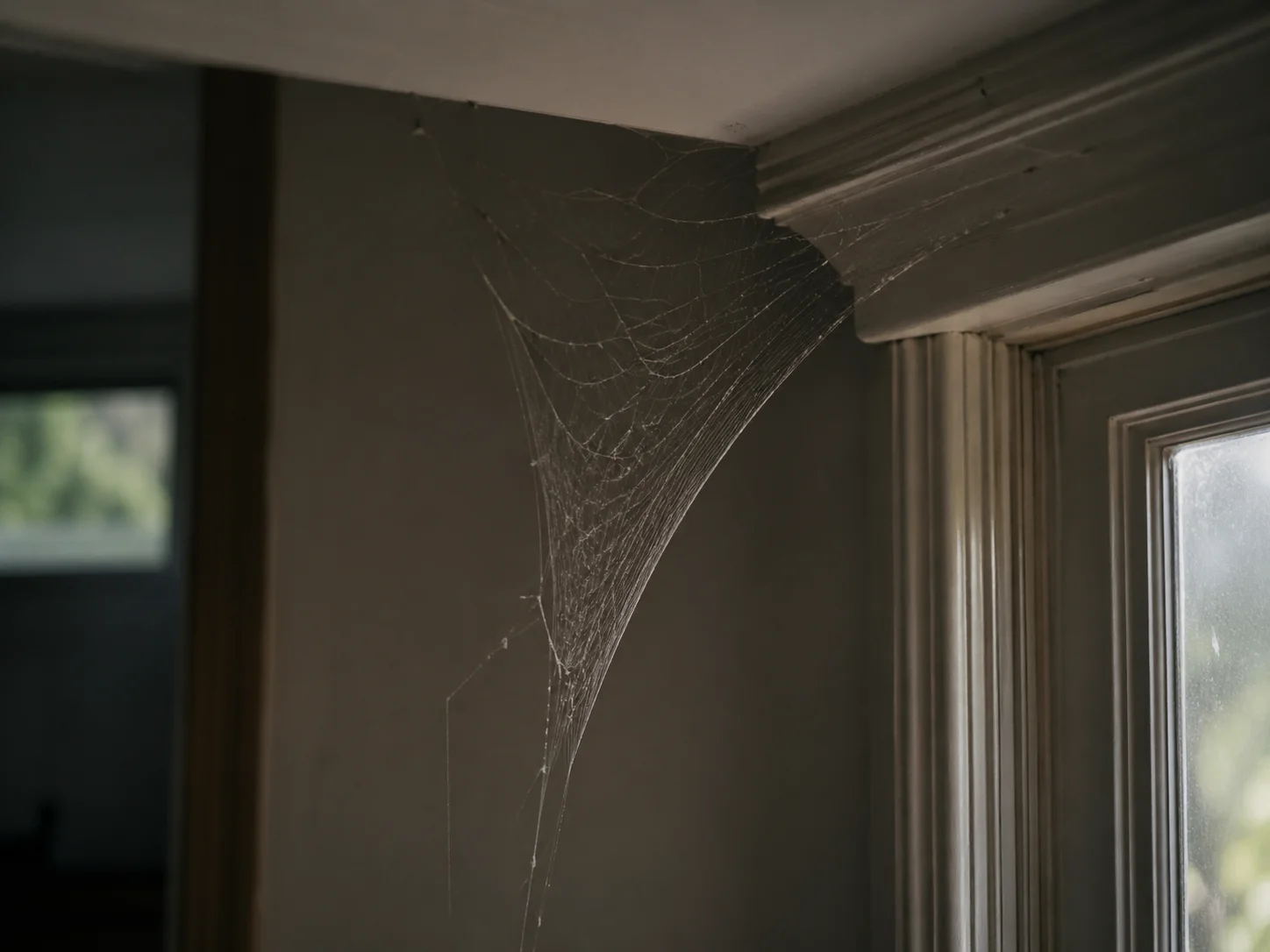
It is unsettling to spot a spider where you least expect it. One moment, the kitchen is quiet, the counters are clean, and the evening feels perfectly ordinary. Then you notice a thin black shape moving near the skirting board, pausing under the cabinet as if it has been there longer than you would like to imagine. Most people reach for a shoe, a glass, or the strongest spray they can find. But the odd thing is that one of the simplest tricks for making your home less inviting to spiders may already be sitting in your kitchen. It is not expensive. It does not require a complicated pest-control routine. And it smells far more pleasant than most things sold in the cleaning aisle.
The trick works best when you stop thinking of spiders as random visitors and start thinking about what draws them in. They like quiet corners, tiny gaps, undisturbed shelves, and places where small insects gather. If your home gives them shelter and food, they have little reason to leave. But if certain entry points suddenly become unpleasant to cross, they may choose another route.
That is where this simple kitchen ingredient comes in. People often use it in baking, hot drinks, desserts, and cozy autumn recipes. But scattered, steeped, or sprayed in the right places, it can become a natural scent barrier around windows, doors, cupboards, and corners. The best part is that you do not need much. A little goes a surprisingly long way.
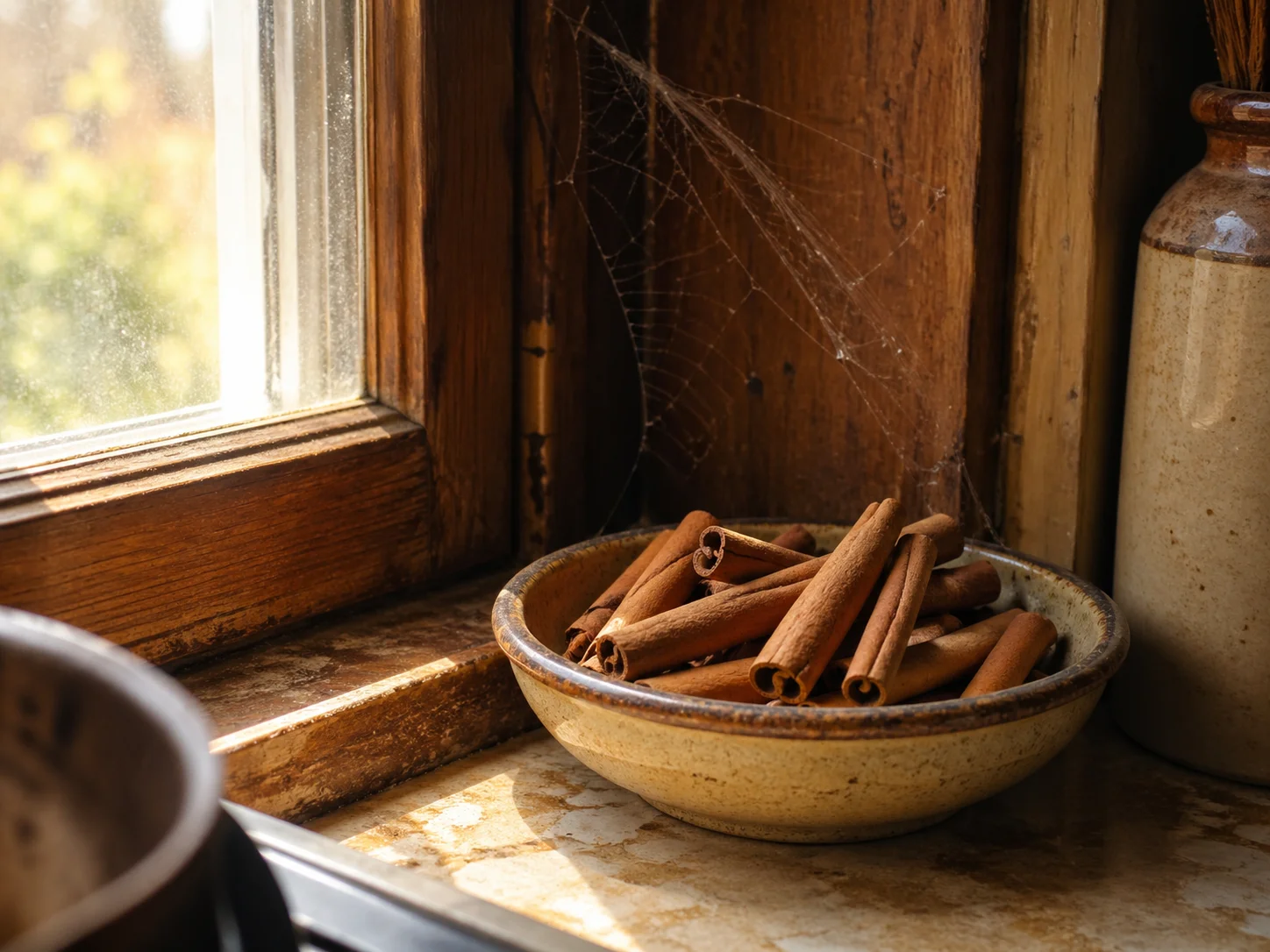
Still in suspense? The secret ingredient is cinnamon. That familiar brown spice, usually associated with warm pastries and winter drinks, has a sharp, lingering scent that many people believe helps discourage spiders from settling in certain areas. The idea is simple: spiders do not experience the world the way humans do. They rely heavily on vibrations, chemical cues, and their sensitivity to their surroundings, so strong aromas can make a spot less comfortable for them.
The reason cinnamon may help comes down to its strong scent. Spiders are not being “poisoned” by the spice in normal household use. Instead, the smell can make certain routes or hiding places less attractive. This is why this spice works best in targeted spots rather than sprinkled randomly across the entire room. Think like a spider for a moment: where would it slip in, hide, or build a web without being disturbed?
This does not mean cinnamon magically creates an invisible wall that no spider will ever cross. A hungry or trapped spider may still wander through. But as part of a broader home routine, cinnamon can make common spider routes less appealing. It is especially useful around window ledges, door thresholds, pantry corners, storage shelves, baseboards, and the quiet areas behind furniture where webs tend to reappear.
Keep reading to learn the best routine before using cinnamon…
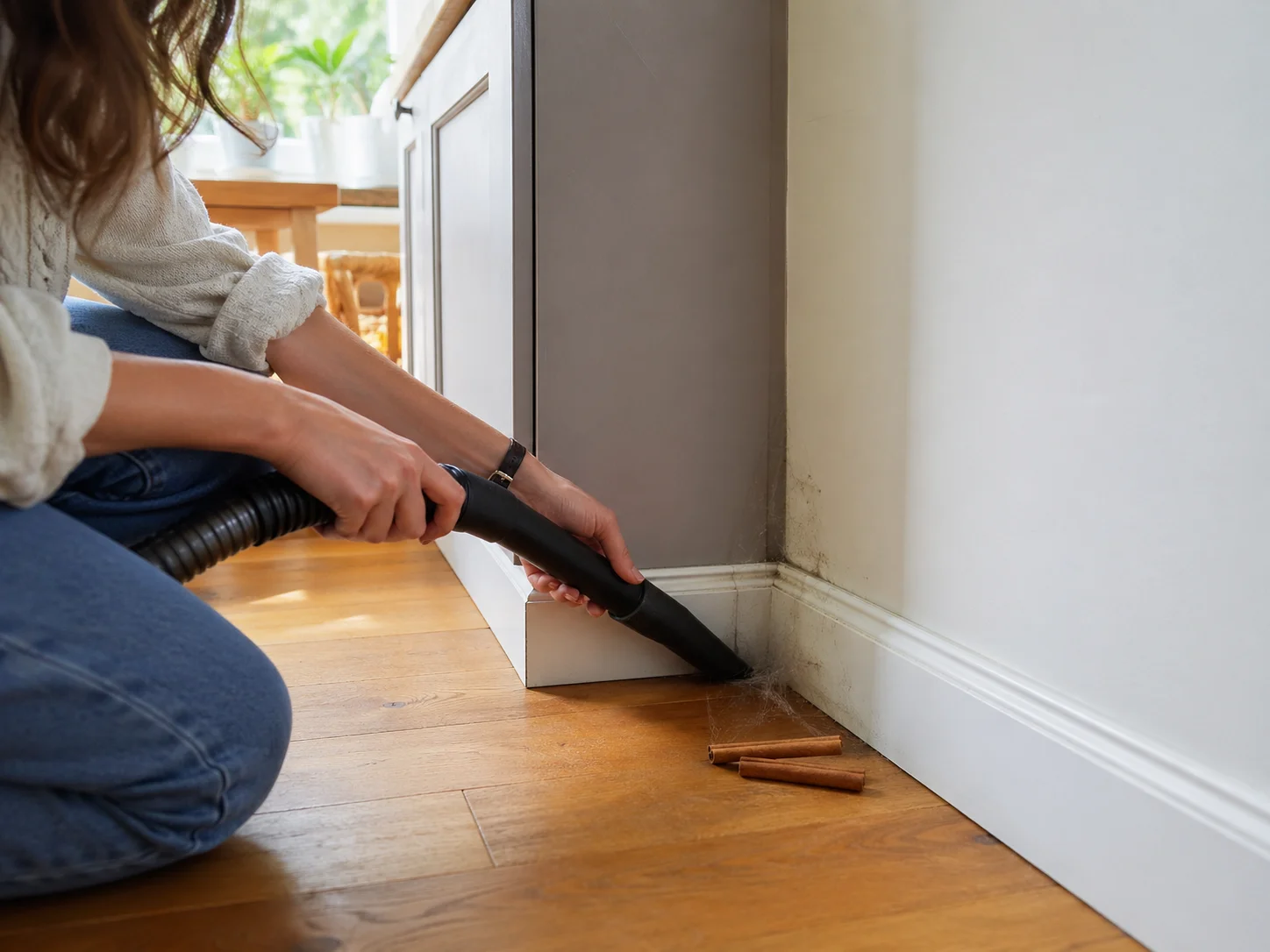
Before using cinnamon, start with the obvious places. Check window frames, door gaps, pantry corners, laundry rooms, basement steps, and the area behind bins or appliances. These are often quiet, slightly dusty zones where spiders can move without being noticed. Clean the area first, remove old webs, and vacuum corners. If you simply place the spice over dust and existing webs, you are treating the symptom without changing the environment.
The easiest method is to use cinnamon sticks. Place a few in small dishes near entry points, cupboards, or corners where you often notice webs. They look decorative, smell pleasant, and are less messy than loose powder. You can also add a few sticks to a small fabric pouch and tuck it behind furniture or near a drafty doorway. Replace them once the scent fades, usually after a few weeks. For a stronger option, simmer cinnamon sticks in water, let the liquid cool, and pour it into a spray bottle. Lightly mist around door frames, window frames, and skirting boards, avoiding delicate surfaces first until you test a small hidden patch. The scent is the point. You are not trying to soak your home; you are creating a subtle aromatic boundary.
A good routine is to combine three steps: remove, block, and deter. First, remove webs and egg sacs with a vacuum or duster. Second, block easy entry by closing gaps, repairing torn screens, and using draft strips where needed. Third, use this spice around the areas where spiders seem to return. It is most useful as the final layer, not the entire solution. You can also use the ground version of the spice, but do it carefully. A thin line near a doorway or along a windowsill may work, but powder can stain, attract mess, and become annoying to clean. Keep it away from pets, children, food-preparation surfaces, and damp spots. Be careful with essential oils, including cinnamon oil. They are much stronger than kitchen spice and can irritate skin, damage surfaces, or be unsafe around pets when misused. If you use oils, dilute them heavily, avoid spraying near animals, and test surfaces first. For most homes, plain cinnamon sticks are the safer, cleaner, and easier starting point.
Keep reading for some bonus kitchen staples that may also keep spiders away and keep your home smelling fresh for longer…

Cinnamon is not the only household scent that may make spiders think twice. Peppermint is one of the most popular natural options, especially as a diluted spray around entry points. Its sharp, cool scent can make windowsills, corners, and doorways feel less inviting. You can use peppermint tea as a gentle version, or a few drops of peppermint oil diluted in water for a stronger spray. Just remember that essential oils should be used carefully around pets.

Cloves are another kitchen ingredient worth trying. They have a deep, spicy smell that pairs well with cinnamon and can be tucked into sachets or placed in small bowls near problem areas. Some people also use citrus peel, especially lemon or orange peel, around windows and bins. The fresh scent is pleasant for humans, although it fades quickly, so it needs replacing more often than cinnamon sticks or cloves. Vinegar can be useful for cleaning the areas where spiders keep returning. A diluted vinegar-and-water solution can help wipe down window frames, shelves, and corners, removing dust, web residue, and scent trails from other insects. Since spiders often follow food sources, anything that reduces tiny flies, gnats, or other household bugs can indirectly make your home less attractive to them.
You can also try lavender, eucalyptus, rosemary, bay leaves, or cedarwood in cupboards, porches, and wardrobes. These are not guaranteed spider-proofing tools, but they fit well into a gentle prevention routine. The strongest results usually come from combining scent deterrents with basic housekeeping: fewer crumbs, fewer insects, fewer webs, fewer hiding places, and fewer cracks leading indoors.