
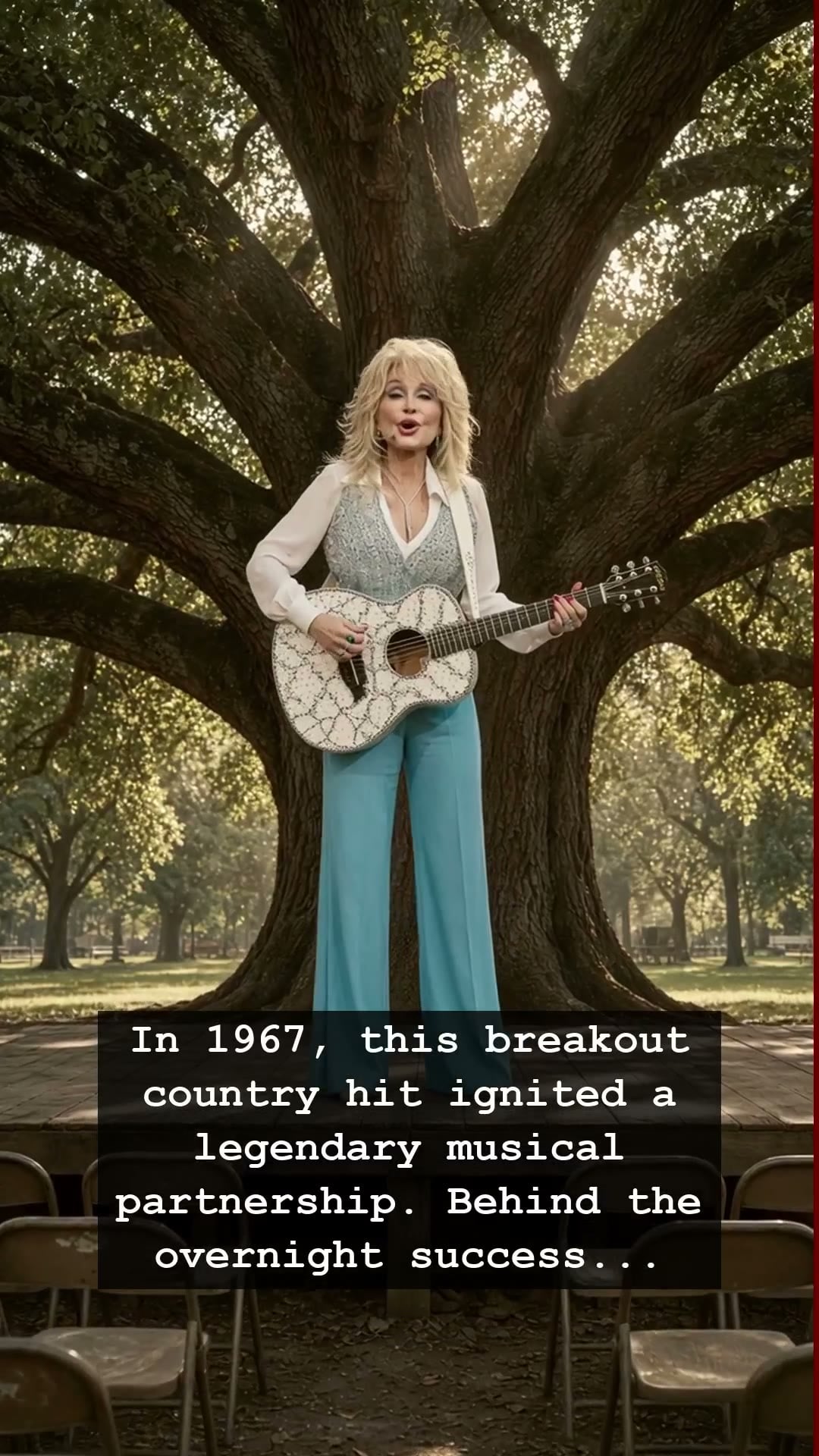
In 1967, the airwaves were humming with the sound of a rising star who would eventually define an entire genre. When a young, ambitious Dolly Parton first stepped onto the stage of The Porter Wagoner Show, she was a diamond in the rough, clutching a guitar and dreams that far exceeded the boundaries of her rural upbringing. Porter Wagoner, a country titan already cemented in the industry, saw the spark in her immediately. Their musical chemistry was undeniable, an instant connection that produced hit after hit and transformed Dolly from a guest performer into a household name. But beneath the sequined outfits and the perfectly choreographed duets, a storm was brewing, one that would eventually tear their professional union apart in the most public and painful way imaginable.
To understand the magnitude of their conflict, one must remember the era. This was a time when country music was transitioning from the smoky bars of the honky-tonk circuit to the pristine stages of Nashville stardom. For seven years, Dolly Parton and Porter Wagoner were the golden duo of the airwaves, but as Dolly began to find her own voice—a voice that demanded to be heard on her own terms—the dynamic shifted. She wanted to branch out, to explore pop crossovers and establish her own independent legacy. Porter, however, saw her as his protege, a star whose trajectory he had carefully mapped out. The friction was inevitable, fueled by clashing artistic visions and the suffocating pressure of a patriarchal industry that rarely allowed women to dictate their own fates.
When the partnership finally disintegrated, it did not end with a polite handshake or a quiet goodbye. It exploded into a bitter, multi-million dollar lawsuit. Porter Wagoner, feeling betrayed by the very woman he had brought to the limelight, sued Dolly for breach of contract, claiming she owed him millions from her solo ventures. For the fans who had spent years watching their banter on television, the news was a shock that felt like a personal betrayal. The courtroom became the final stage for their drama, a cold contrast to the warmth of the music they had shared for nearly a decade. It was a sobering look at the dark side of fame, where artistic integrity often collides head-on with legal obligations.
Yet, even in the heat of that legal fire, music proved to be the ultimate salve. The tension and heartbreak of their separation famously birthed one of the most iconic songs in the history of music: I Will Always Love You. Dolly wrote the ballad as a farewell, a final attempt to explain her need for independence without malice. When she sang it for Porter, he reportedly wept, finally understanding that her departure was not an act of defiance, but an act of growth. It is a testament to their complex bond that despite the lawyers and the depositions, the song stands as a bridge over the wreckage of their professional relationship.
Today, we look back at the Parton-Wagoner era with a sense of lingering nostalgia. It was a time of jukeboxes, vinyl records, and the raw, unfiltered storytelling that country music once owned entirely. Their story remains a cautionary tale of mentorship gone awry, but also a beautiful reminder that pain often yields the most enduring art. While their paths diverged in a shower of sparks and litigation, their legacy remains intertwined. Do you remember where you were the first time you heard that bittersweet melody, and did you ever imagine the heartbreak that lived between the lines?