
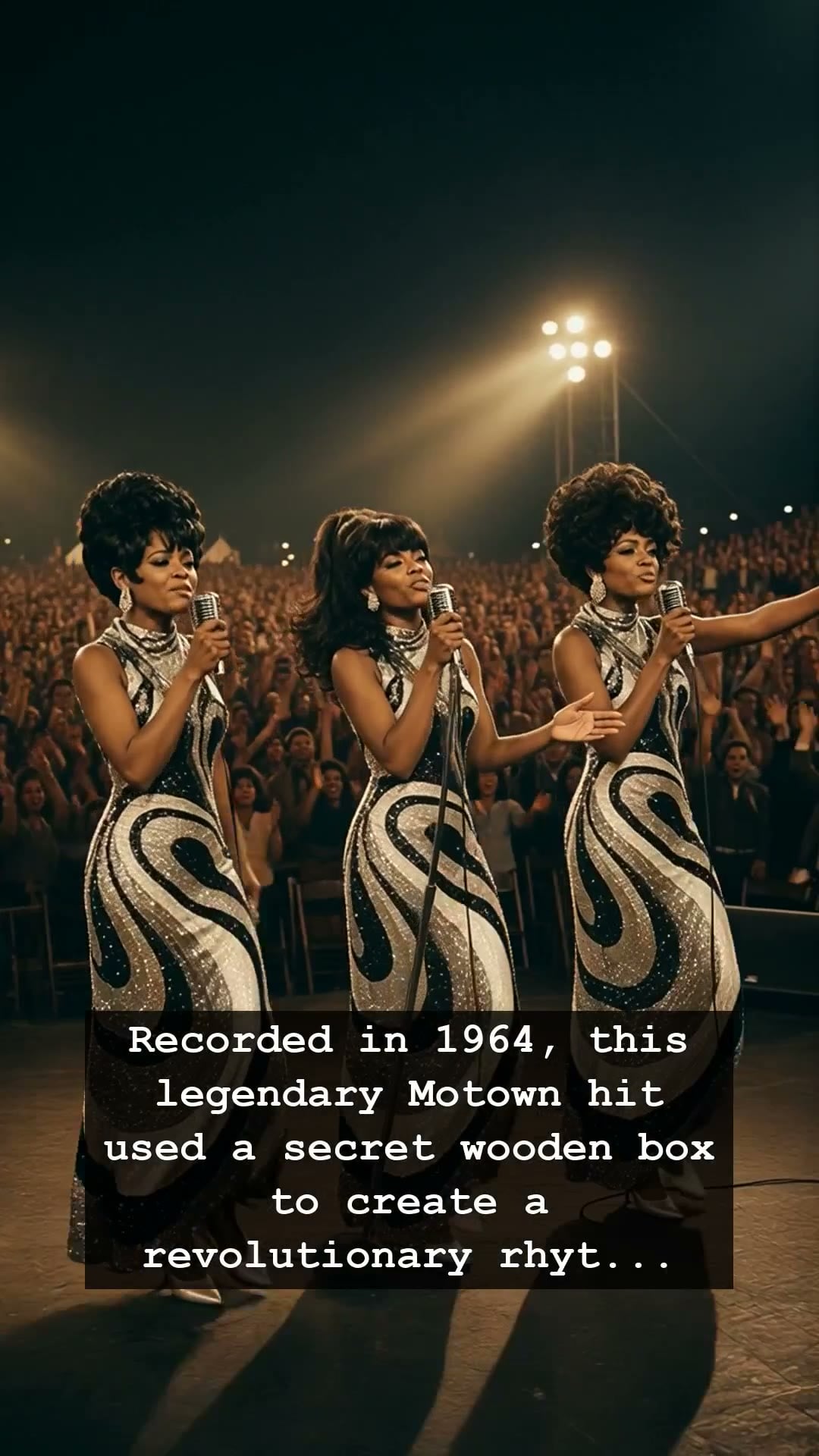
In 1964, the air in Detroit was thick with the scent of motor grease and the electric promise of change. Inside the cramped confines of Hitsville U.S.A., a group of young women stood before a microphone, poised to rewrite the history of American pop music. The Supremes, led by the incomparable Diana Ross, were more than just a vocal trio; they were the polished, glittering face of Motown Records. Yet, beneath the glamour and the perfectly choreographed hand gestures that would soon grace televisions across the nation, there was a raw, gritty struggle to capture a sound that could rattle the foundations of the mainstream. Music executives were chasing a rhythm, but they had no idea that the secret to their success lay inside a battered, unremarkable wooden box.
While the world was beginning to turn its eyes toward the burgeoning British Invasion, The Supremes were busy crafting an unstoppable, foot-stomping pulse. During the recording sessions for their legendary hits, the studio engineers faced a recurring problem: they needed a sound that could cut through the radio static and compete with the loud, frantic energy of the era. The solution was humble yet revolutionary. An engineer began rhythmically beating on a hollow wooden box, placing a microphone perfectly to capture the sharp, percussive clack that perfectly complemented the heavy bass lines. It was a DIY innovation, a piece of sonic theater that became the heartbeat of songs that dominated the charts for years.
This secret rhythm was the engine behind the success of The Supremes, driving tracks that turned dance halls into temples of soul. It was a time when the Jukebox was king, and every teenager in America was waiting for that familiar, infectious beat to drop. Behind the scenes, the tension was palpable. The pressure to produce a follow-up hit was immense, and the competition within the Motown factory was fierce. The Supremes lived in this high-stakes environment, balancing fame, internal conflicts, and the grueling demands of a label that never slept. They were the crown jewels of Berry Gordy’s empire, but every note they sang was earned through sweat, late nights, and the clever ingenuity of their production team.
Decades later, the legend of that wooden box serves as a reminder of an era when music was crafted by hand, not by computer software. It captures the essence of a time when soul met innovation in the heart of the Motor City. When you listen to these records today, you are not just hearing the vocal perfection of Diana Ross, Mary Wilson, and Florence Ballard; you are hearing the grit of the studio floor and the creative defiance of an era that refused to be ignored.
The legacy of The Supremes endures because their music feels as vibrant today as it did when it first spilled out of a local radio station. They transformed the landscape of popular culture, turning a humble wooden beat into a global phenomenon. As we look back through the lens of history, we find that the most iconic sounds often come from the most unexpected places. The next time you spin one of their classic records, listen closely for that steady, rhythmic wood-block pulse—the heartbeat of Motown that once made the whole world dance.